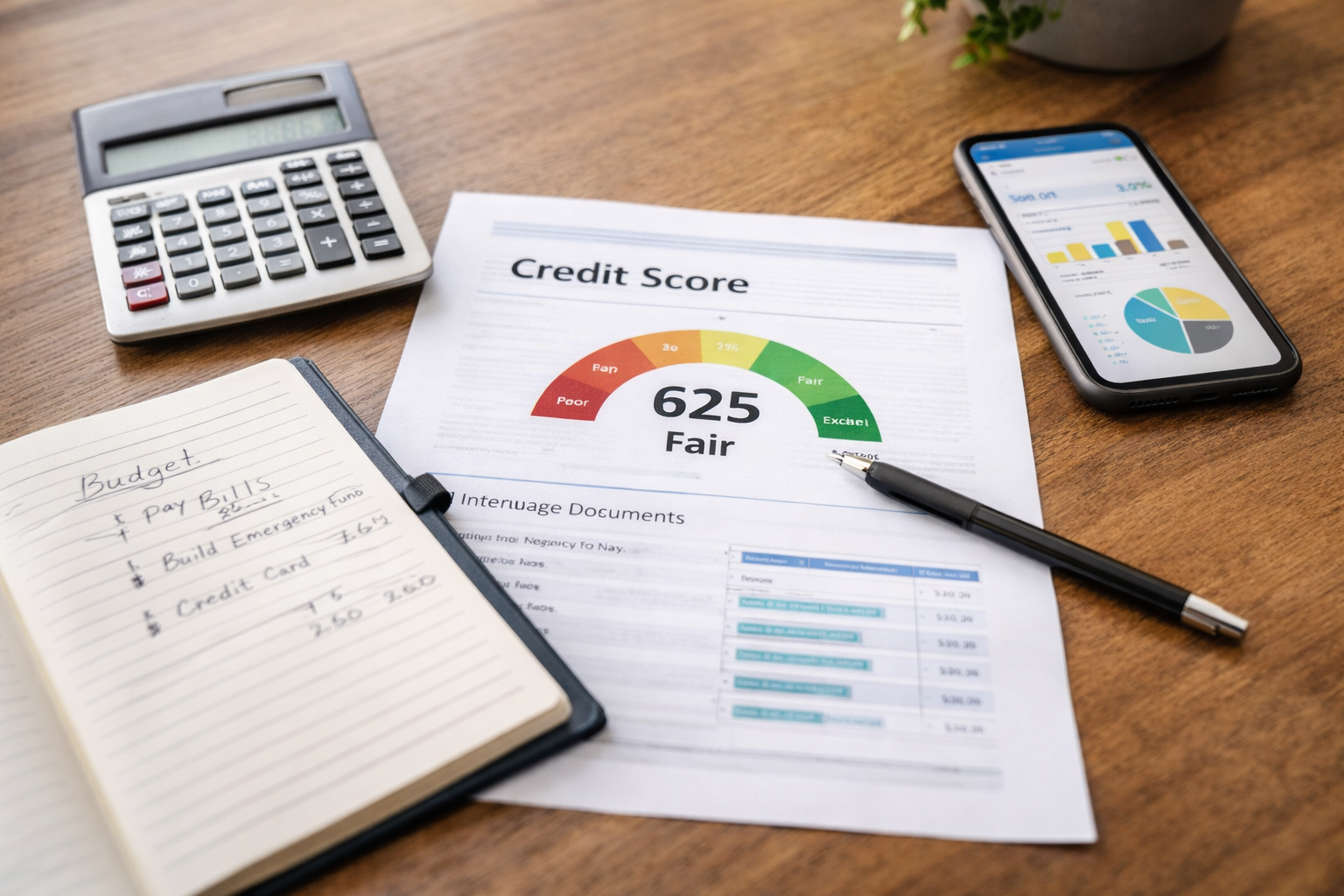
Trying to buy a home with a low credit score can feel discouraging, especially after seeing strict requirements from banks or getting rejected during pre-approval. Many buyers assume they need perfect credit to qualify, but the reality is more nuanced. There are multiple types of house loans for bad credit, and understanding how lenders actually evaluate risk can open doors that might seem closed at first.
This guide explains how to qualify for a loan to buy a house even with credit challenges, what mortgage eligibility really looks like, and which options — including government-backed loans, hard money financing, and DSCR loans — may work when traditional lending fails.
What Are House Loans for Bad Credit?
House loans for bad credit are mortgage options designed for borrowers who may not meet traditional lending standards but still want to buy a home. Those exploring this type of loans are usually dealing with the same underlying issue: lenders view their credit history as higher risk. However, that doesn’t automatically mean homeownership is out of reach.
House loans for bad credit simply refer to financing options designed to accommodate borrowers who don’t meet conventional loan standards. Different lenders evaluate risk differently. Some focus heavily on credit scores, while others look more closely at income stability, down payment size, or property value. That’s why one borrower may be denied by one lender but approved by another offering alternative solutions.
What “Bad Credit” Actually Means to Mortgage Lenders
Lenders use credit scores as a quick way to measure likelihood of repayment, but it’s only one part of the full picture. A “low credit score mortgage” doesn’t necessarily mean extremely poor credit — it often includes buyers with average scores who simply don’t meet ideal thresholds.
Borrowers are often surprised to learn that some loan programs allow lower scores if other factors are strong. For example, a steady income or larger down payment can sometimes offset credit weaknesses. Understanding this balance is key when exploring bad credit home loans, because it helps you focus on improving what you can control rather than feeling defined by one number.
Can You Buy a House With Bad Credit? Myths vs. Reality
One of the biggest misconceptions in the market is that buying a home is impossible without excellent credit. In reality, many programs are specifically designed to help buyers who fall outside traditional profiles. Another myth is that only large banks offer viable loans — but alternative financing options have grown significantly in recent years.
The truth is that mortgage eligibility depends on multiple factors working together. Credit matters, but so do affordability, employment history, and project risk. Recognizing this early helps you approach the process strategically instead of assuming rejection is guaranteed.
Mortgage Eligibility — What Lenders Actually Look At
When evaluating a loan for house approval, lenders look at a combination of factors that determine both affordability and risk. Credit score is important, but it is only one piece of the puzzle. Understanding these elements allows borrowers to improve weak areas and present a stronger application overall.
Debt-to-income ratio, income stability, down payment amount, and property type all influence approval decisions. For example, someone with a lower credit score but steady income and strong cash reserves may be seen as less risky than someone with high credit but unstable finances. This is why mortgage eligibility often feels inconsistent from one lender to another — each institution weighs factors differently.
Before comparing options, here’s a simple overview of what lenders evaluate:
| Factor | Why It Matters | Impact on Approval |
| Credit score | Predicts repayment risk | Medium–High |
| Debt-to-income ratio | Shows affordability | High |
| Income stability | Demonstrates reliability | High |
| Down payment | Reduces lender risk | Medium |
| Property type | Affects resale value | Medium |
The Core Approval Factors Beyond Credit Score
For borrowers seeking a mortgage with bad credit, focusing on controllable factors can make a major difference. Lowering monthly debt obligations, showing consistent income, and saving for a stronger down payment often improve approval chances more than small credit score adjustments alone.

Property type also matters. Lenders typically prefer owner-occupied homes over investment properties because they’re seen as lower risk. Understanding these details helps buyers avoid unnecessary denials and choose loan types aligned with their financial situation.
Credit Score Requirements Explained — Government Loans, Conventional Loans & Alternatives
Different loan programs have different thresholds, which is why understanding options matters more than obsessing over one number.
Conventional Loans — Harder To Get With Low Credit
Conventional loans usually require higher credit scores and stricter documentation. A lower conventional loan credit score can result in higher rates or denial altogether.
Because these loans rely heavily on borrower strength rather than government backing, they’re typically less forgiving for buyers seeking house loans for first time buyers with credit challenges.
Hard Money Loans — Credit Flexibility for Challenging Situations
Hard money financing evaluates the property and overall deal more than the borrower’s credit profile. This makes it appealing for buyers who need speed or have been denied elsewhere.
While rates may differ from traditional financing, approval flexibility and faster timelines often make hard money a practical option when traditional paths fail.
FHA House Loan — Flexible Credit Requirements
An FHA house loan is one of the most popular choices for buyers with lower credit profiles. FHA loan credit score requirements are generally more flexible than conventional financing, which makes this option attractive for first-time buyers. These loans also allow lower down payments, helping buyers who don’t have large savings.
However, FHA financing includes mortgage insurance costs, which can increase monthly payments. While approval may be easier, long-term costs should still be evaluated carefully.
DSCR Loans — Income-Based Alternative for Property Buyers
DSCR loans focus on a property’s ability to generate income rather than personal credit history. This approach is especially useful for investment-focused borrowers or those with complex income situations.
Because qualification relies on cash flow, DSCR loans can be an effective solution when a borrower’s credit score is the main obstacle.
VA House Loan — Benefits for Eligible Buyers
A VA house loan is available to eligible veterans and service members. There’s no official government-mandated VA loan credit score minimum, but lenders usually set their own standards. VA loans are attractive because they often require little or no down payment and offer competitive rates.
For eligible borrowers with credit challenges, VA loans can provide one of the strongest paths to homeownership thanks to flexible underwriting combined with strong borrower protections.
USDA Loans — Low Down Payment Rural Option
USDA financing targets rural and suburban buyers meeting specific income limits. The USDA home loan credit score expectations vary by lender but can be more forgiving than conventional loans.
The biggest limitation is location — properties must fall within eligible areas. For buyers who qualify, this option can reduce upfront costs significantly.
Credit Score Requirements Overview
| Loan Type | Credit Flexibility | Typical Down Payment | Best For |
| Conventional | Low | Medium | Strong credit borrowers |
| Hard Money | Very High | Varies | Fast approvals |
| FHA | High | Low | First-time buyers |
| DSCR | High | Medium | Income-based approvals |
| VA | High | Very low | Eligible service members |
| USDA | Medium–High | Low | Rural buyers |
Down Payments, House Loan Rates, and Real Costs With Bad Credit
The financial structure of a loan often changes when credit scores drop. Borrowers with lower scores may face higher house loan rates or larger down payment expectations because lenders are managing perceived risk. That doesn’t mean financing is unavailable — it simply changes how costs are structured.
A larger down payment for bad credit mortgage applications can significantly improve approval chances and sometimes help offset higher interest rates. Lenders see higher upfront investment as a sign of commitment, which reduces their exposure.

House Loan Rates, Interest Rates, and Percentage Rate Explained
Many buyers confuse house loan interest rates with total borrowing cost. The interest rate reflects basic borrowing cost, while the annual percentage rate (APR) — sometimes called the house loan percentage rate — includes fees and additional costs.
Rates also vary based on credit risk, loan type, and market conditions. Understanding this helps borrowers compare offers accurately instead of focusing only on one number.
| Loan Type | Typical Rate Behavior | Down Payment Range | Approval Flexibility |
| FHA | Moderate | Lower | High |
| Conventional | Lowest for strong credit | Medium | Low |
| Hard Money | Higher but flexible | Varies | Very High |
| DSCR | Depends on income | Medium | High |
House Loan Pre-Approval and Approval Tips for Low Credit Buyers
Getting a house loan pre approval is one of the most important early steps. It gives buyers a realistic price range and shows sellers you’re serious. For borrowers seeking mortgage pre approval bad credit, preparation matters even more because lenders will review documents closely.
How to Get a Loan for a House When Your Credit Is Weak
Improving approval odds often comes down to preparation. Some buyers benefit from using a cosigner for home loan applications, while others strengthen approval by reducing debt or increasing savings.
Here are our top 5 tips on how to improve your chances of getting approved:
- Pay down revolving debt before applying
- Avoid opening new credit lines
- Gather clear income documentation
- Save for a stronger down payment
- Work with lenders experienced in bad credit home loans
These small steps can meaningfully improve how lenders view your application.
Credit Score Myths That Stop Buyers From Getting Approved
Many buyers delay their home search because they believe myths that simply aren’t true. The biggest myth is that you need excellent credit to qualify. In reality, many programs exist specifically for lower-score borrowers. Another myth is that one rejection means you cannot qualify anywhere — but underwriting standards vary widely.
Some people also believe only traditional banks offer real mortgages. Alternative lending has expanded dramatically, giving borrowers more options than ever. Understanding these myths helps buyers focus on strategy instead of fear, which often leads to faster progress and better decisions.
HMLS Hard Money & DSCR Loans — A Better Option When Credit Scores Get in the Way
Traditional lenders often focus heavily on credit scores and paperwork. At HML Solutions, we take a different approach. We evaluate opportunities based on property value and overall deal strength rather than relying on rigid credit score requirements. That means we can help borrowers who feel stuck after being denied elsewhere.
If you’re ready to take the next step, apply directly with us to get a fast, no-obligation review of your deal and see how quickly we can help you move forward.
How We Help Borrowers Get Approved Without Credit Score Barriers
We don’t require strict credit score minimums or overwhelming financial documentation for our construction loans. Our team focuses on practical solutions, helping borrowers secure financing quickly and move forward with confidence.

Why Our Hard Money and DSCR Loans Work for Low Credit Borrowers
Our hard money and DSCR loans are designed for flexibility. We understand that many borrowers have strong opportunities but imperfect credit histories. By focusing on asset value and income potential, we provide pathways that traditional lenders often overlook.
When Working With Us Makes the Most Sense
If you’ve been denied due to credit score issues, have non-traditional income, or need a fast approval timeline, working with us may be the most practical solution. Reach out to our team to explore options tailored to your situation.
Future Refinancing Strategy — Buying Now and Refinancing Later
For many buyers, the smartest approach is thinking long-term rather than trying to achieve perfect conditions immediately. Purchasing a home now with flexible financing can allow you to build equity while improving your credit profile. Later, a home loan refinance can help reduce monthly payments or secure better long-term rates once your financial situation improves.
This strategy works especially well for borrowers who expect credit recovery over time. Instead of waiting indefinitely, you move forward now while keeping future flexibility open.
Final Thoughts — Can You Buy a House With Bad Credit?
Yes — buying a home with bad credit is possible, but it requires understanding your options and choosing the right strategy. From FHA and VA programs to hard money and DSCR solutions, there are more pathways than most buyers realize. The key is focusing on realistic qualification factors instead of assuming one number defines your future.
And while this guide focuses on buying existing homes, there are also financing options available for loans used to build a new home, which we cover separately. With the right plan, strong preparation, and lender alignment, homeownership can still be within reach.
Learn More About Loans
- One Time Construction Loan Explained
- Construction-to-Permanent Loan Guide
- Construction Loans for Renovations
- How Does a Construction Loan Work?
- Pros and Cons of Refinancing a Rental Property with a DSCR Loan
- Construction Bridge Loans
- Land and Construction Loans
FAQ — House Loans for Bad Credit
It depends on the loan type, but government-backed programs often allow lower scores than conventional loans.
Yes, many borrowers qualify through FHA, VA, USDA, or alternative lending options.
Lenders vary, but those specializing in government-backed or alternative financing tend to be more flexible.
Yes, pre-approval is possible and often recommended to understand realistic buying power early.